
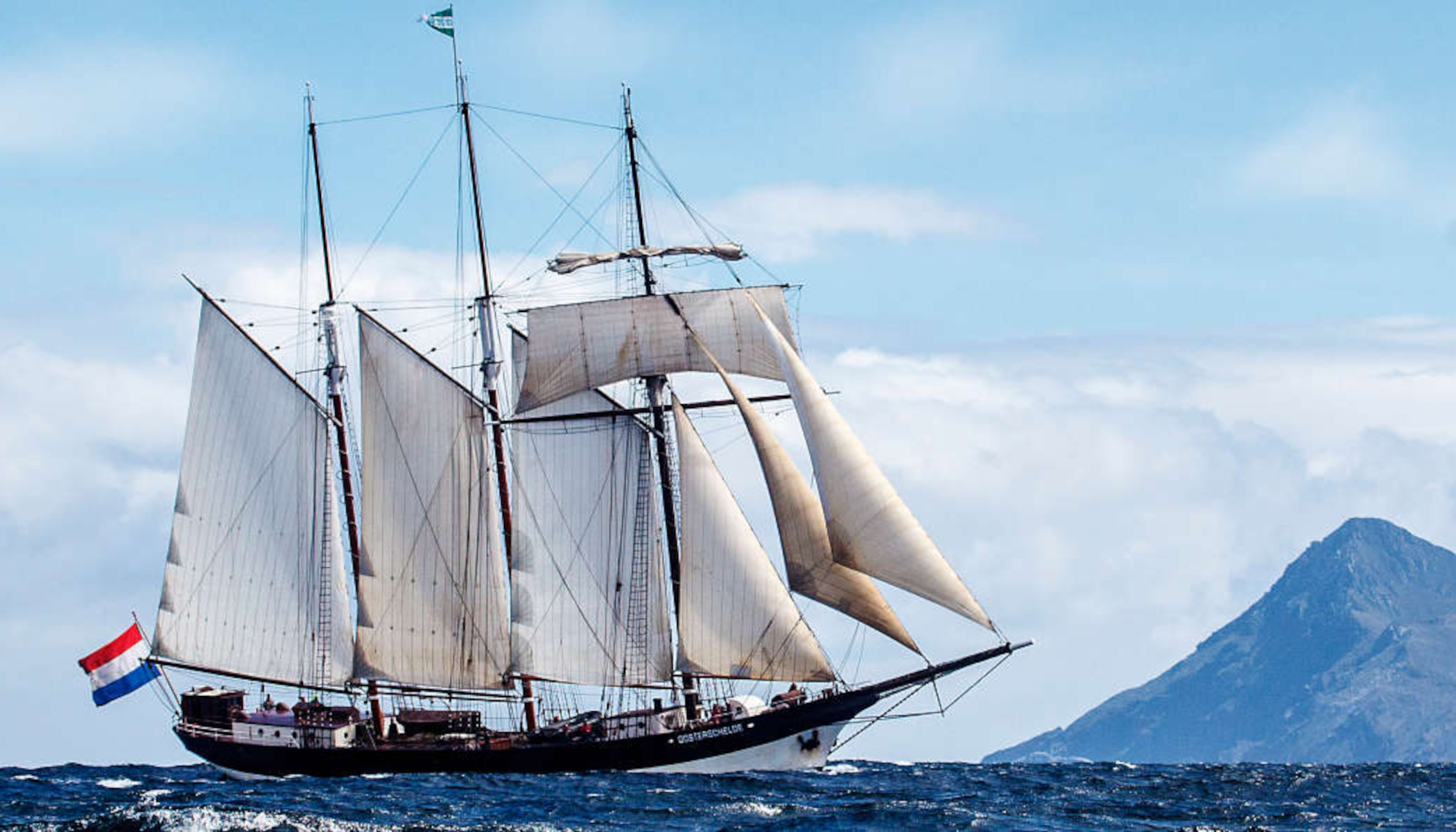
Scientific expedition on Galapagos calls for more nature conservation
A group of researchers is re-enacting Charles Darwin’s historic 1831 voyage of discovery. In doing so, they are drawing attention to climate change and overfishing, among other issues. The DARWIN200 voyage researched native species in the Galapagos Islands.
In August last year, the DARWIN200 expedition set off from the southern British port city of Plymouth on a 2-year round-the-world journey. The environmental scientists on board are thus following in the footsteps of Charles Darwin.
Darwin also departed from Plymouth in 1831 on his ‘voyage of the Beagle’. That voyage was instrumental in developing his now famous theory of species evolution and natural selection.
Today’s expedition docked last month in the Galapagos Islands in the Pacific Ocean, one of the world’s most biodiverse regions. There, until last weekend, it conducted 11 research projects related to the conservation of local wildlife and native species.
Compared to 1835
The situation on the Galapagos today is very different from when Darwin docked there in 1835. The archipelago is now protected, part of an Ecuadorian national marine reserve and classified as a world heritage site. Nevertheless, it is threatened more than ever by pollution, illegal fishing and climate change.
Just last year, research by the Charles Darwin Foundation found that giant tortoises in the archipelago ingest harmful substances due to human pollution.
Hope for more sustainable future
Darwin’s great-great-granddaughter accompanied the international team during its stop on the Galapagos. “The main difference from when Darwin was here is that now people are trying to protect the archipelago,” says Sarah Darwin, herself a naturalist and botanist.
The DARWIN200 expedition aims to “reconnect people around the world with nature to build a more sustainable future”. To this end, they select 200 young environmental scientists to temporarily join the ship and be trained in conservation. This will create “heirs” of Darwin to sound the alarm about contemporary threats to the environment and climate.
Source: VRT news.

Windassist sponsor