
$700 million in donations, one low-carbon ship
According to recent research by the Micronesian Centre for Sustainable Transport, more than $700 million worth of ships have been donated to Pacific island states over the past decade.
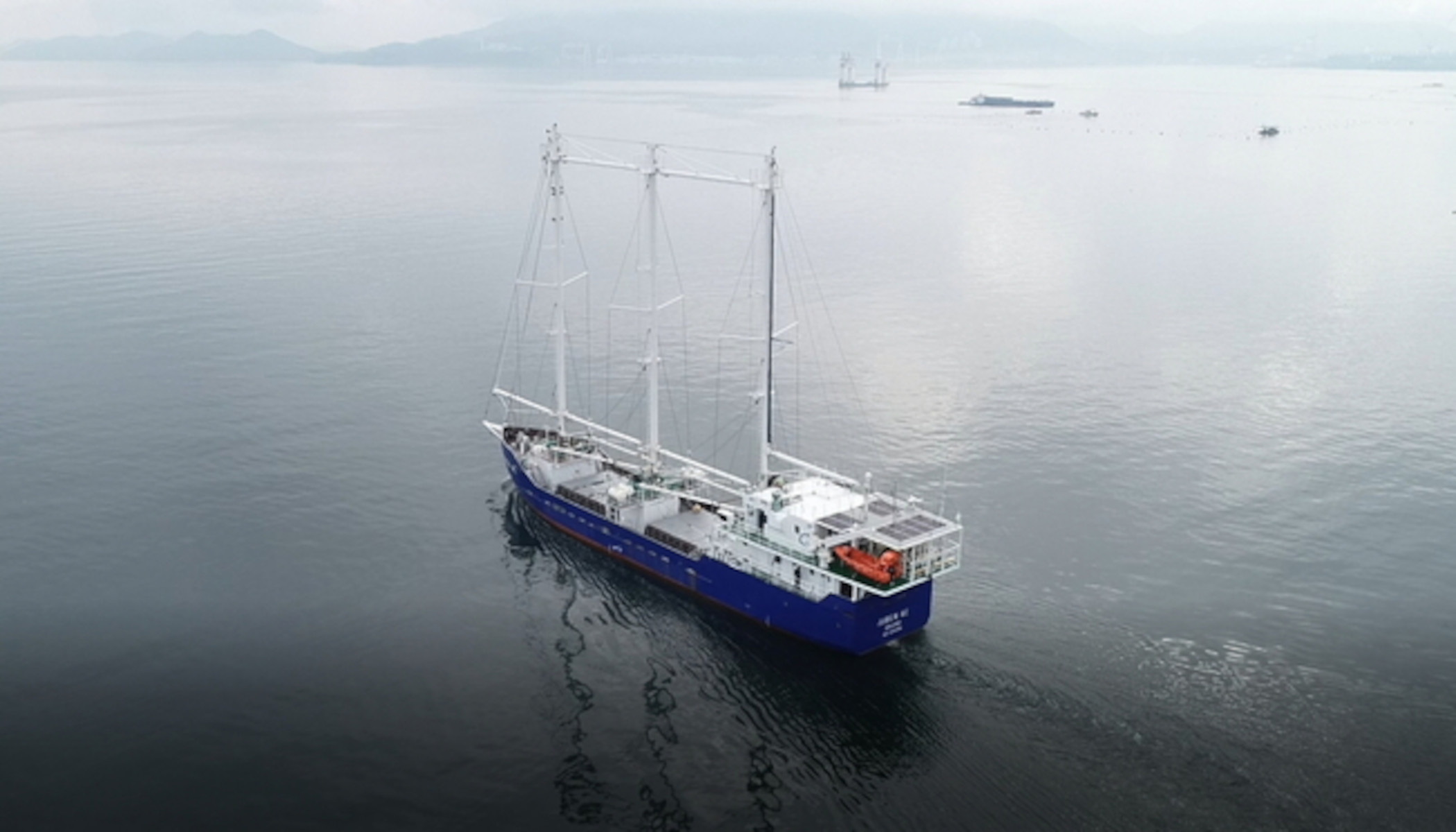
Despite this huge investment, almost all of these donated ships run on diesel engines; only one ship currently operates as a low-carbon alternative.
This reliance on traditional fuels persists because many countries in the region lack the financial resources to purchase more efficient technologies, forcing them to rely on international donors that do not yet have green technologies high on their priority list.
To address this, experts suggest introducing a regional policy that requires all new entrants to be significantly more fuel efficient than the older vessels they replace.
Database
By tracking these trends in a new comprehensive database, the organisation aims to help the region meet its ambitious 2050 decarbonisation targets.
“We have tracked a number of shipping projects in the Pacific, but this is the first time we have tried to create a comprehensive database of all known investments in the sector,” said Dr Peter Nuttall, scientific advisor at the Government of the Marshall Islands research centre.
“We are still in the construction phase of the database; there is a lack of standardised reporting and many different agencies are involved. But preliminary results show that more than 95 per cent of all new domestic vessels are diesel-powered, with little or no attention paid in design to achieving maximum fuel efficiency.”
Good example
The Marshall Islands and Fiji have set a good example by setting reduction targets of 40 per cent by 2030 and 100 per cent by 2050, provided there is access to appropriate funding. But support and acceptance from partners in the region lag behind for this sector, where emissions reductions are difficult to achieve.
“Initial operational results from the prototype ship SV Juren Ae indicate that savings of more than 60 per cent are achievable with mature technologies available today,” Nuttal said; “Had this been applied to the design of the new Tuvaluan ship, the ADB-funded $30 million MV Manu Sina, it would have significantly reduced Tuvalu’s national emissions.”
“A regional policy, endorsed by all Pacific island states, requiring all new ships donated to the region to be 40 per cent more efficient than those they replace, would be the fastest and least costly measure to promote domestic shipping.”
Source: Islandsbusiness.
Image: The Juren Ae, built for Pacific sailing cargo.

Windassist sponsor