
Doubts about GPS reliability
As a result of menacing developments around the world, there are growing concerns about the reliability of the GPS system. Now the Dutch Water Sports Association has also felt the need to warn yachties.
The GPS on board is a natural tool for many sailors. However, the Global Navigation Satellite System (GNSS) is increasingly being disrupted. On the North Sea, where you have to deal with busy shipping lanes, rapidly changing weather conditions and limited visibility, this can create dangerous situations.
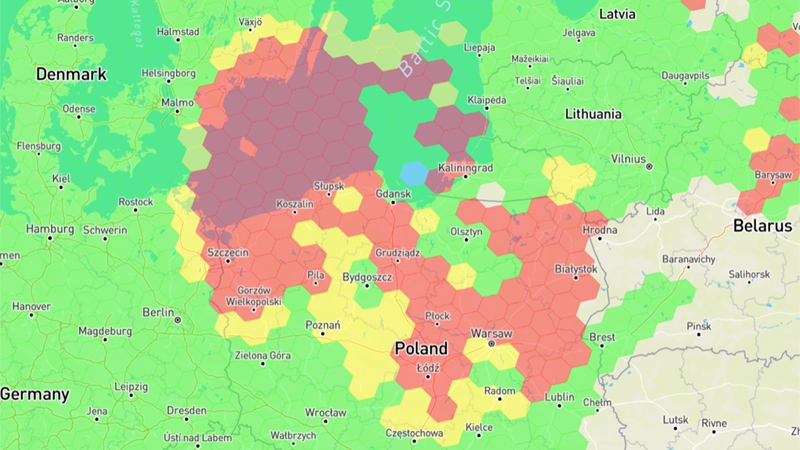
GNSS consists of multiple satellite systems, including the US GPS, Europe’s GALILEO, Russia’s GLONASS and China’s Beidou. Modern receivers combine these signals to calculate an accurate position. GNSS is crucial not only for pleasure craft, but also for commercial shipping and military operations. When a GNSS signal becomes unreliable, navigating without backup becomes a risky endeavour.
Two types of interference are increasingly taking place: jamming and spoofing.
- Jamming: This involves transmitting a strong signal on GNSS frequencies, which prevents your receiver from receiving satellites. This means no position, no heading and no more speed over ground.
- Spoofing: This technique involves sending false GNSS signals that cause your receiver to calculate an incorrect position. This can cause you to deviate from your planned course without noticing.

In the North Sea, it is not unusual for ships to suffer from GNSS interference. Moreover, AIS – which also relies on GNSS – is not always a guarantee. Spoofing can cause ships to be displayed in the wrong position. Old navigation skills come in handy again when GNSS fails.
This means being able to rely on:
- Paper sea charts: Always have a recent map of your sailing area.
- Compass and soundings: Use a handheld bearing compass to check your position against beacons or other visual landmarks.
- Log and depth gauge: With a log and a depth gauge, you can keep a guessing position.
- Radar: useful in poor visibility and when GNSS is not reliable.
John Loog, Royal Navy hydrographer b.d.
Source: watersportverbond.nl.
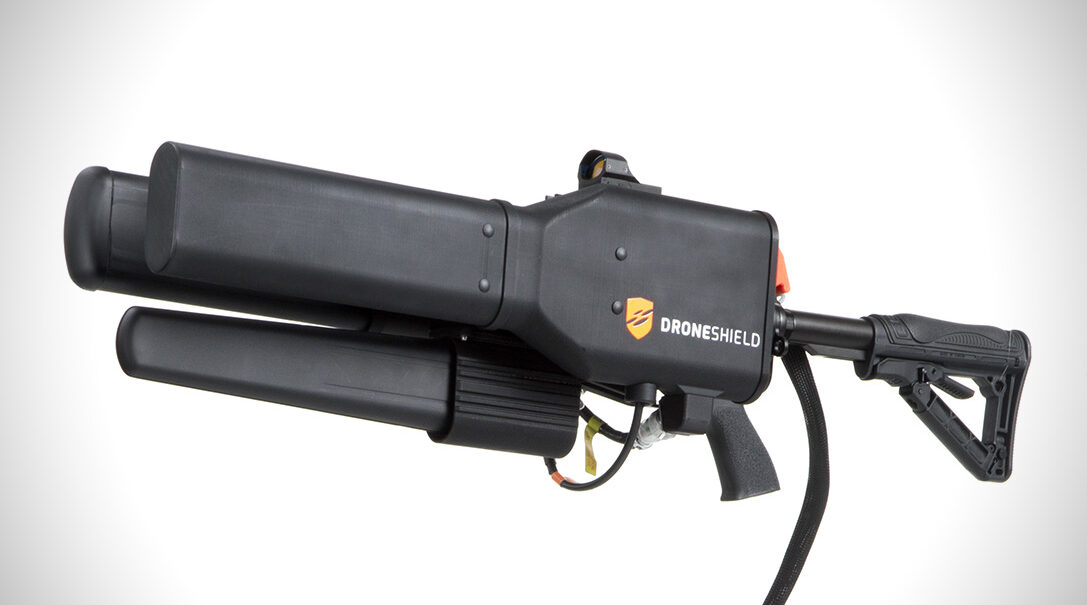
Top image: A portable GPS jammer

Windassist sponsor