
Experts share insights on wind propulsion
On 23 October, ClassNK organised the environmental seminar ‘Latest Trends and Practical Applications of Wind-Assisted Propulsion Systems’. The seminar highlighted the importance of wind-assisted propulsion systems in efforts to make shipping low-carbon.
ClassNK is a technically oriented, private foundation whose primary mission – ship classification – serves the public interest; it is a not-for-profit organisation recognised in Japan as a general foundation.
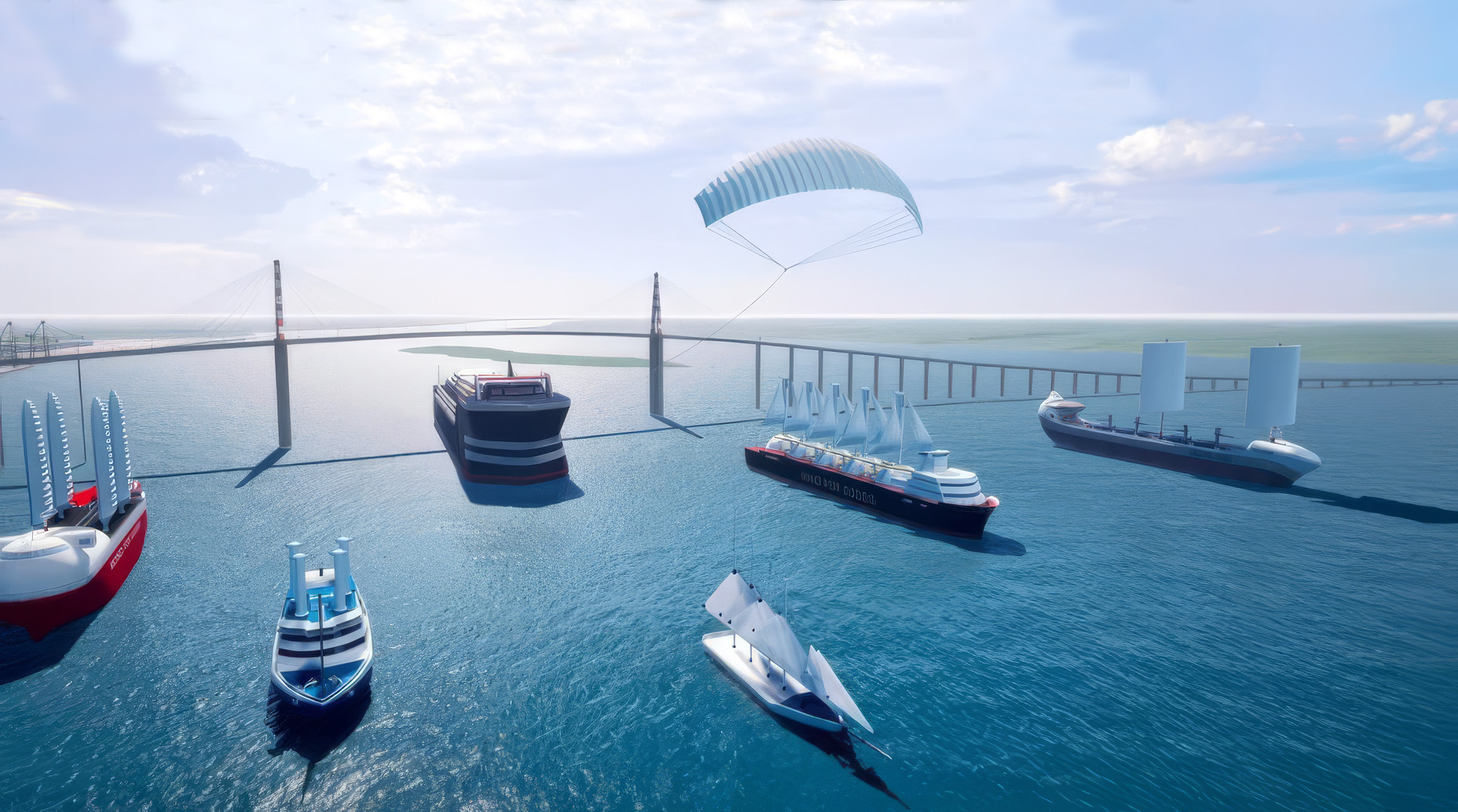
As the shipping sector strives to reduce greenhouse gas (GHG) emissions, wind-assisted propulsion systems (WAPS) are gaining popularity. WAPS utilise wind energy to supplement a ship’s propulsion, contributing to lower fuel consumption and reduced greenhouse gas emissions. As the number of installations increases, attention is increasingly turning to operational experience and performance evaluations. The seminar focused on these practical aspects and provided an opportunity to exchange knowledge on the introduction and operation of WAPS. A total of 160 participants attended, representing shipping companies, shipbuilders, marine equipment manufacturers and other organisations.
Following a presentation by the Japanese Ministry of Land, Infrastructure, Transport and Tourism (MLIT) on trends in carbon neutrality within the maritime sector, the programme included an overview of international developments in wind propulsion by the International Windship Association (IWSA), presentations on shipping companies’ experiences with the installation and operation of WAPS, and an introduction to ClassNK’s WAPS-related activities. In addition, a panel discussion featuring five industry experts addressed the operational challenges, approaches to performance evaluation and the future prospects for WAPS.
ClassNK and the four sponsoring companies will continue to contribute to the decarbonisation of the maritime sector through knowledge exchange and technical verification, in support of the safe and effective introduction and operation of WAPS.
Source: the Maritime Executive.
Image: Damen

Windassist sponsor