
Solar-powered cruise ship launched
Polar tourism is impressive, but cruises are one of the most carbon-intensive ways to travel. Sophie Galvagnon, explorer and sailor is shaking up the cruise industry with a pioneering solar-powered ship.
The 38-year-old Galvagnon is a modern-day explorer. She is the youngest ever female captain in the Arctic and the youngest woman to be awarded the French Order of Maritime Merit.
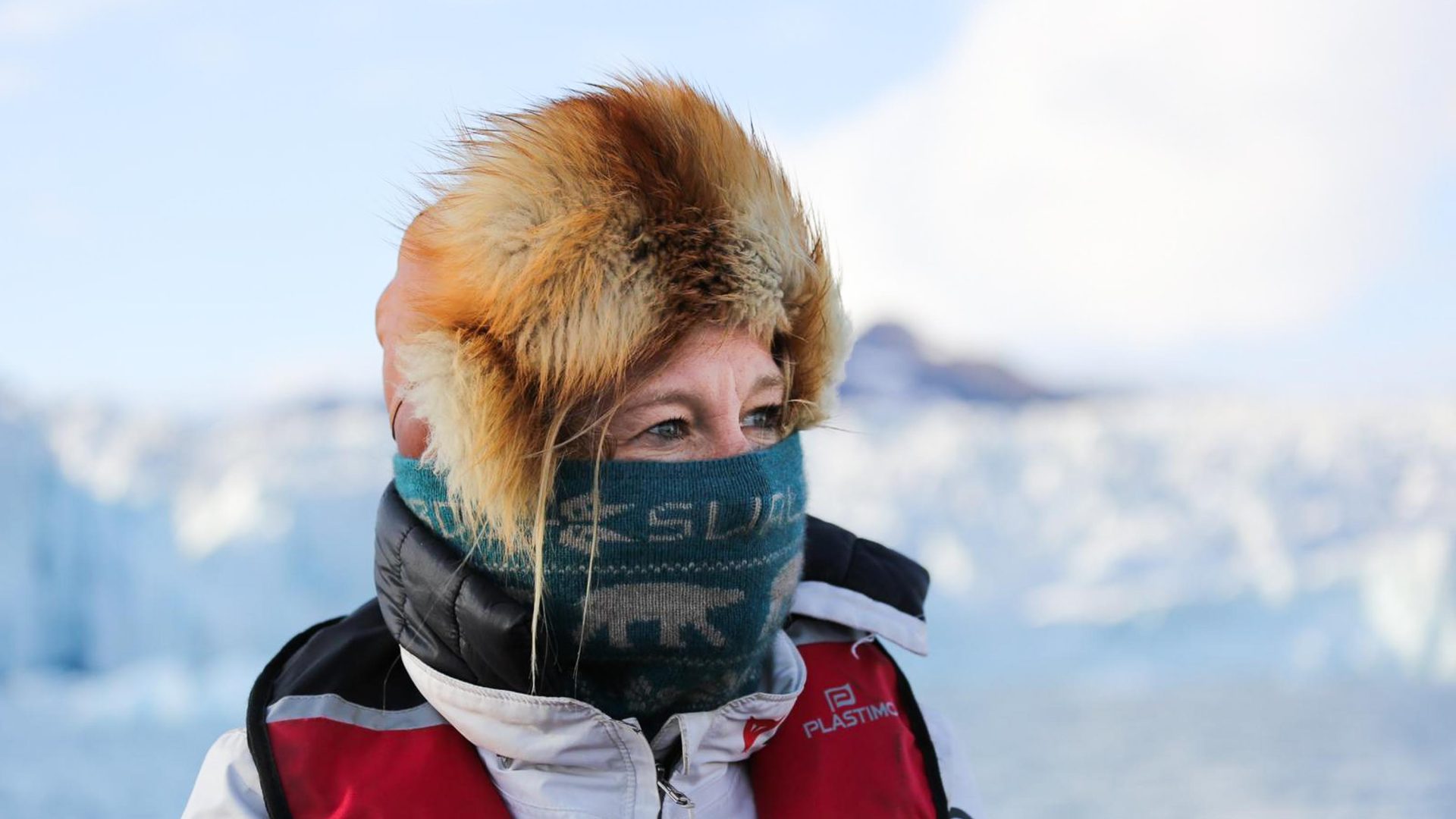 She is also fascinated by ice. “I record the sound of ice and play it back when I get home,” she laughs.
Galvagnon has spent most of her life at sea. The French-Swedish daughter of a merchant captain, she went to the École Nationale Supérieure Maritime, the French national maritime academy in Marseille, at the age of 17.
After graduation, she worked on container ships, often as the only woman on board, before spending a season working aboard a passenger ship in Antarctica, where she saw her first iceberg. “When I first came into contact with the ice, it was like falling in love instantly,” Galvagnon says. “It’s the same feeling you can have with a human being; it was so intense that I knew I had crossed a line where I couldn’t go back.”
That moment sparked her passion to explore the icy worlds of the Arctic and Antarctic, and she went to work on Swedish icebreakers in winter and polar expedition ships in summer. She spent 10 months a year at sea, learning everything there is to know about navigating in ice.
“It’s totally different,” says Galvagnon. “You become familiar with your ship and learn how it reacts to the sea. But this behaviour changes completely when you are surrounded by ice; you have to adapt and revisit everything you have already learned.”
Growing unease
But alongside her fascination with these untamed environments grew a sense of unease. “In the beginning, I was driven by the excitement of exploring and challenging myself at sea,” says Galvagnon. “But within ten years, I could already see a difference in the environment and began to feel guilty.”
Cruises are an incredibly carbon-intensive way to travel. An analysis by the US non-profit organisation International Council on Clean Transportation (ICCT) shows that a cruise ship emits an average of 250g of CO2 per passenger kilometre travelled. By comparison, flying emits between 10 g and 130 g per passenger; longer flights have a lower carbon intensity.
Despite this, the number of cruise passengers continues to skyrocket. The Cruise Lines International Association predicts that 37.7 million people will have taken a cruise by the end of 2025, up from 34.6 million in 2024. According to the Arctic Council, the number of ships entering the Arctic Polar Code area – a regulated maritime zone around the Arctic – increased by 37 per cent between 2013 and 2024.
First truly green cruise ship
Galvagnon decided to use its expertise to bring about positive change in the Arctic. In June 2022, she partnered with naval architect Laurent Mermier and began designing a sustainable alternative to huge carbon-intensive cruise ships. Inspired by historical exploration ships and using the latest technology, they drew up the blueprint for the world’s first solar- and wind-powered polar ship.
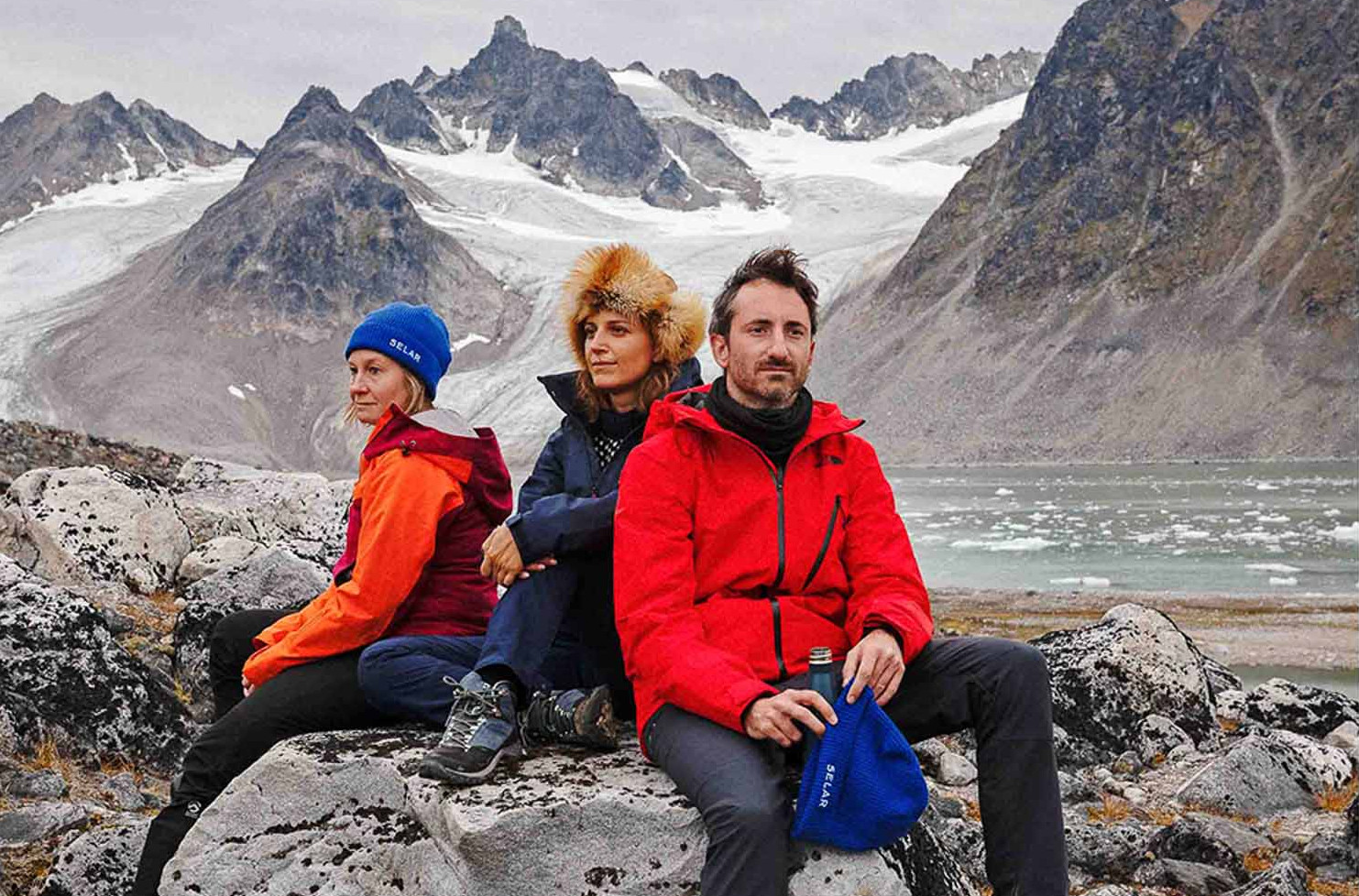
In late 2022, a friend introduced Galvagnon to experienced entrepreneurs Julia Bijaoui and Quentin Vacher. Together they founded Selar, a luxury polar travel company focused on making travel to the polar regions more sustainable, and raised funding from European banks and private investors.
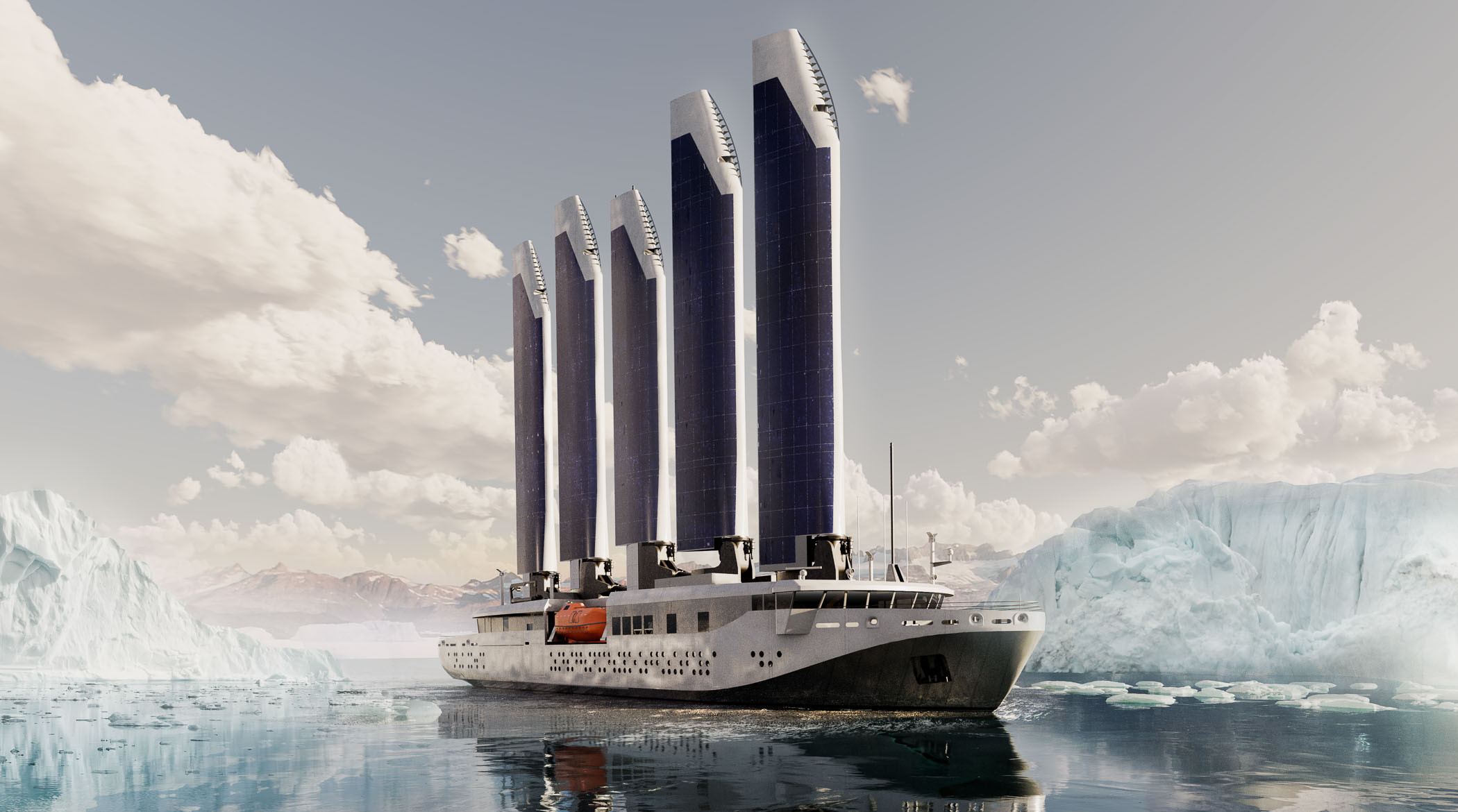
Their first ship, the Arctic Captain, is currently under construction in Dubai and is expected to be delivered in August 2026. The 70-metre-long expedition yacht is designed for 36 passengers and 24 crew and aims to be the first cruise ship to run on renewable energy.
Reinventing travel
But Galvagnon does not only want to reinvent the ship itself. She also wants to question the reasons why we travel.
“What I saw parallel to environmental destruction is what I call travel consumption: the idea of fixed itineraries, ticking off lists and breaking records,” Galvagnon says. “This is so far removed from the spirit of adventure and what these remote regions stand for.”
That is why Selar expeditions will not have set itineraries. Instead, they will have a theme, but with the flexibility to respond to the vagaries of the natural environment. “Of course, they will be planned,” says Galvagnon. “Because not planning and facing the unknown is just silly and very dangerous – but if we see a polar bear, for example, we adapt.”
The first expedition, ‘Dancing with Orcas’, will depart from Tromsø, in northern Norway, in November 2026. “This will be one of our signature expeditions,” says Galvagnon. “During the dark season, you can see quite well because of the snow and the northern lights. It is also the only time of the year and the only area in the world where you can snorkel with orcas.” Encounters with wildlife are guided by experts, keeping minimum distances as prescribed by the Norwegian government.
Fully booked
The six-day trip is already fully booked, as are 80 per cent of the other expeditions planned for the first two years. Although Galvagnon will not be on board for every expedition – “My life now has to be completely dedicated to my position as CEO of Selar,” she says somewhat reluctantly – she will be at the helm of the Arctic Captain when it sets sail in November. And she cannot wait to return.
“I miss the field a lot,” she tells me. “I’ve never been away from the ice for so long. It’s a very different lifestyle to be at sea than on land. It was a challenge to switch over to earth.” For the future, she says Selar plans to create “new ships, new routes and new challenges”, but for now the focus is on the Arctic.
Galvagnon is also optimistic about how their innovations can help shape the future of Arctic travel. “I hope we will bring about a change in the polar tourism industry,” says Galvagnon. “We want to show that an alternative model is possible.”

Launched
The Goltens shipyard in Dubai launched the hull of the Captain Arctic last week. The 69-metre-long ship will sail on solar power through the Arctic. Aboard the luxury cruise expedition ship, 36 passengers and 24 crew members can travel.
The ship will sail virtually energy-neutral with five 35-metre-high aluminium sails, each covered with 20,000 solar panels. Their energy will be used directly or stored in batteries. The sails can be retracted when not needed. By using wind and solar energy, the ship is also silent, minimising its impact on marine life.
The entire ship is heated by two pellet stoves using recycled wood waste, fresh water is produced by reverse osmosis. The Arctic Captain will also be equipped to collect plastic waste. When it is not carrying passengers, it works with environmental organisation Clean Up Svalbard to remove at least five tonnes of plastic from Svalbard’s shores every year. There is also a scientific laboratory on board so that data can be collected even in the most remote areas.
Although the ship has an engine, it will be used as little as possible and run on HVO fuel, a biofuel made from renewable waste materials. It is estimated that the ‘nearly emission-free’ Arctic Captain will save 90 per cent CO2 compared to the average cruise ship sailing in the region.
The ice-class PC7 ship is 13 metres wide. The five steel solar sails can withstand very low temperatures, frost and frequent course changes. Together, they contain 2,000 square metres of solar panels. The solar sails will be 35 metres high and can be folded if the ship has to sail under a bridge.
The finishing work is at shipyard Chantier Naval de l’Ocean Indien. The ship will be classed by French classification society Bureau Veritas (BV). Delivery is expected in late summer 2026.
Sources: an article by Katja Gaskell on Adventure.com and an article by Tessa Heerschop in the Schuttevaer (subscribers only).
Photos: Sophie Galvagnon / Selar.

Windassist sponsor