
IMO adopts rules for autonomous marine vessels
The International Maritime Organisation (IMO) has adopted new rules for large autonomous seagoing vessels. This creates for the first time an international framework for ships that can operate partially or completely without a crew.
The rules are contained in the so-called Maritime Autonomous Surface Ships Code (MASS Code) and will enter into force voluntarily from 1 July 2026.
The new regulations apply to large cargo ships operating internationally. According to the IMO, the code should ensure that autonomous and remotely piloted ships have the same safety and environmental standards as conventional ships. This includes not only navigation, but also cybersecurity, fire safety, communications and rescue operations.
Autonomous ships come in different forms. Some ships still have a full crew on board, while certain systems operate automatically. Other ships can be largely remotely controlled from control centres ashore. In the most far-reaching form, a ship makes decisions independently without direct human intervention.
IMO secretary-general Arsenio Dominguez said the introduction of the MASS Code is an important milestone for the maritime industry. The organisation wants to enable innovation without compromising on safety and responsibility. Therefore, the captain remains legally responsible for the ship even when not on board.
The introduction of the code follows almost a decade of consultations and pilot projects within the international shipping industry. The IMO began a study on the impact of autonomous ships on existing maritime legislation back in 2018.
Yet doubts still exist about fully autonomous shipping. Discussions within the maritime industry regularly point to technical limitations, liability in case of accidents and the need for human control in emergency situations. Many experts therefore expect automation to lead mainly to smaller crews rather than fully unmanned ships for the time being.
With the MASS Code, however, the IMO is taking an important first step towards a future in which autonomous technology plays an increasingly important role at sea.
Source: Riviera News
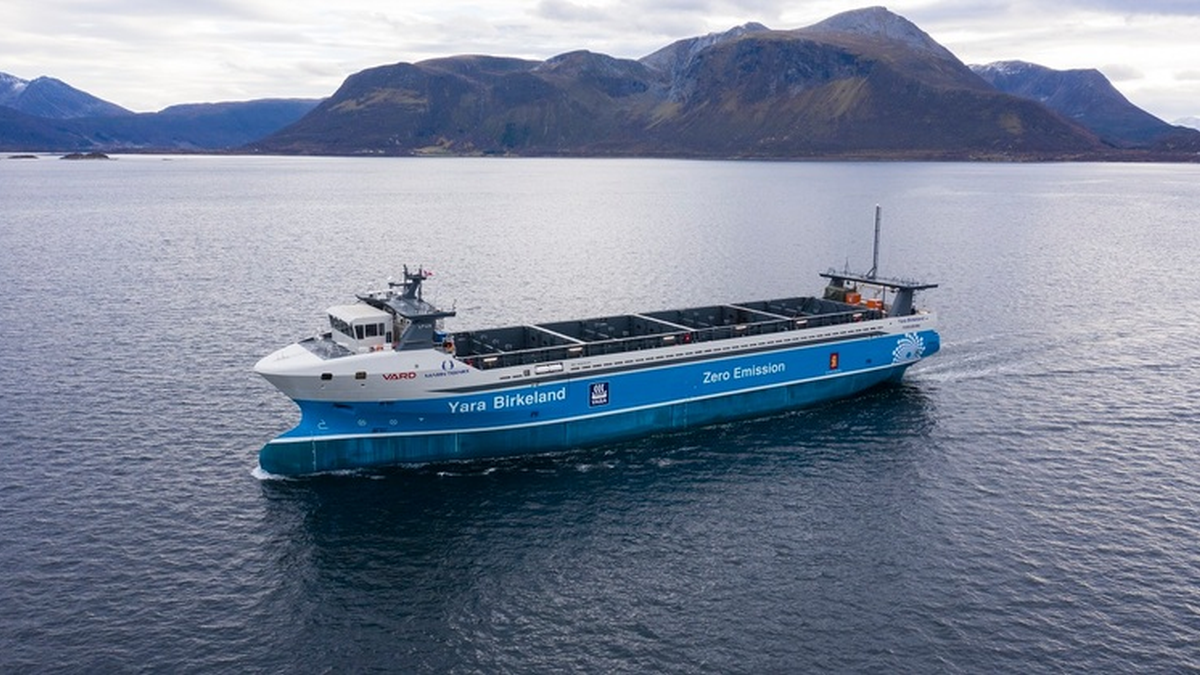
Headline photo: Yara Birkeland, the world’s first fully autonomous container ship (source: Yara Marine Technologies)

Windassist sponsor