
Milestone: WASP surpasses the 100-vessel mark
The installation of wind propulsion technology on large commercial vessels has passed the 100-vessel milestone, representing a deadweight tonnage of over five million tonnes (DWT).
According to the International Windship Association (IWSA), reaching this milestone marks a turning point in the acceptance of wind propulsion within the commercial fleet. What was once widely regarded as a niche or historical form of maritime transport is now emerging as one of the fastest-growing practical solutions for decarbonisation across multiple segments of the shipping industry.
More ships ready for wind
These 100 ships are equipped with more than 230 individual wind propulsion systems and together they now save more than 100,000 tonnes of CO2 per year.
The number of wind-powered ships is further boosted by 12 large cargo ships that are ‘wind-ready’, with installations already fitted on deck in case, or when, the full installation of a wind propulsion system is required. These are not yet included in this total figure. In addition, a fleet of dozens of smaller cargo ships, under 400 GT, also utilises wind energy, as do a number of traditionally rigged sailing passenger ships, and these are not included in this count either.
Following several years of renewed investment in technologies designed to harness the power of the wind at sea, deployment in the sector is accelerating, with the number of vessels roughly doubling year on year. The speed at which the market grew in the early stages underlines how quickly the technology is becoming mainstream.
Fivefold increase in four years
In May 2022, 21 large commercial vessels were utilising wind propulsion technologies, representing a deadweight tonnage of approximately 1 million DWT. Just four years later, that number has almost quintupled. This figure includes six primary wind-powered vessels, ranging from 80 m to 220 m in length, which operate primarily on wind power. This number is also expected to grow significantly.
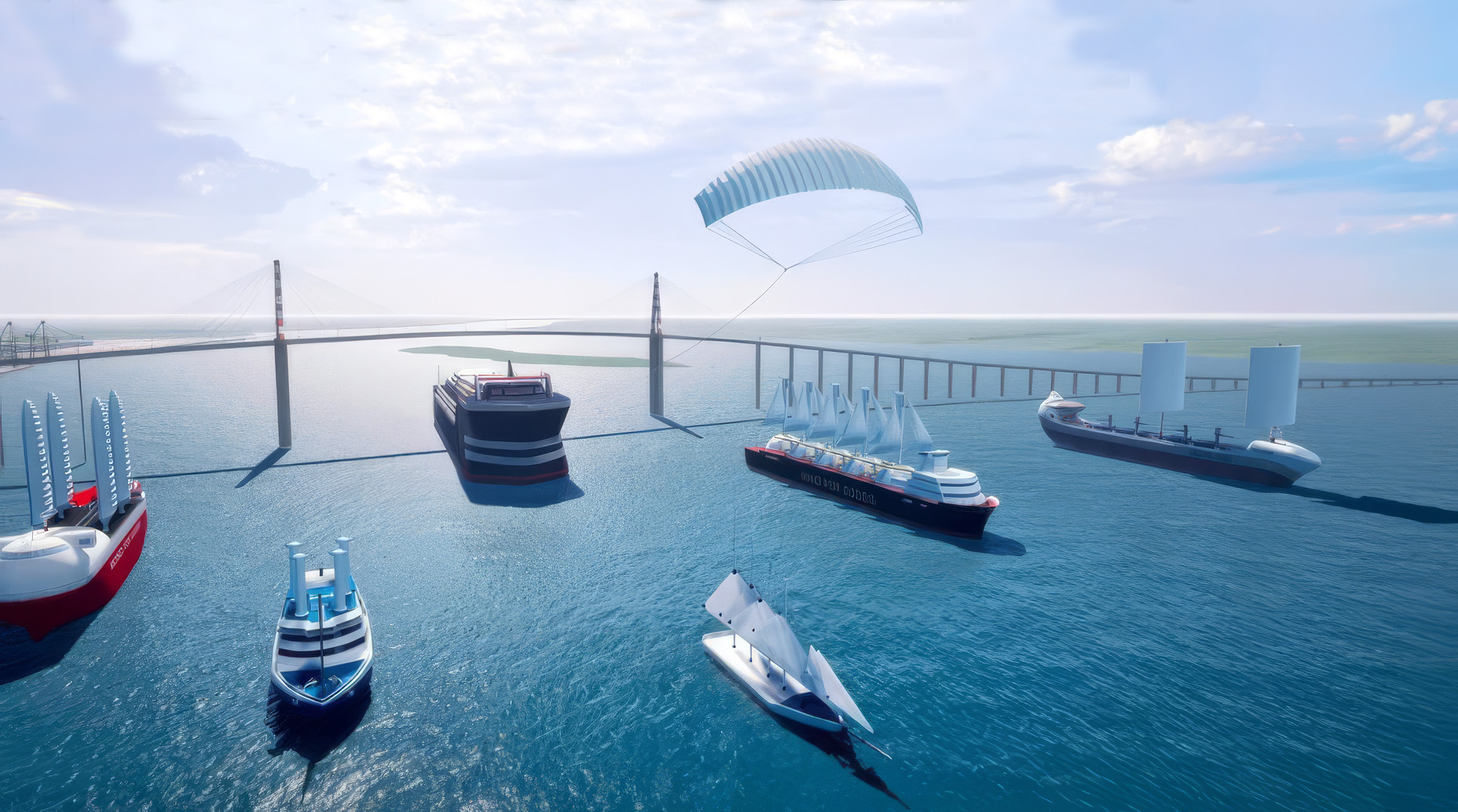
 Shipowners can choose from various wind propulsion solutions, including suction sails, rigid and semi-rigid wing sails, rotor sails, traction kites and traditional soft sail systems.
Currently, the tanker and bulk carrier sectors lead the way in terms of the number of vessels on which wind propulsion systems have been installed. At the time of writing, 37 tankers and 24 bulk carriers were equipped with the technology, plus 24 RoRo and Rolax vessels combined and 19 general cargo ships.
As the only trade association representing developers of wind-assisted and primary wind propulsion technology, as well as organisations supporting the application of wind energy in shipping, the IWSA welcomes this growing momentum.
Gavin Allwright, Secretary General of the IWSA, says, “This surge of installations has been driven by a sustained rise in full-scale testing, independent verification and commercial validation of systems over the past five years, giving shipowners growing confidence in the operational and financial case for adoption.
With all of the current uncertainty surrounding the IMO global decarbonisation framework and geopolitical upheaval, we still see a relatively healthy pipeline of retrofit and newbuild orders and construction underway. We estimate that the number of wind propulsion installed ships will once again double in the next 12 months, amounting to around 200 large commercial vessels in total by this time next year.”
Source: MarineLink.
Image: IWSA

Windassist sponsor